
Our Guiding Philosophy
The Japan Alps
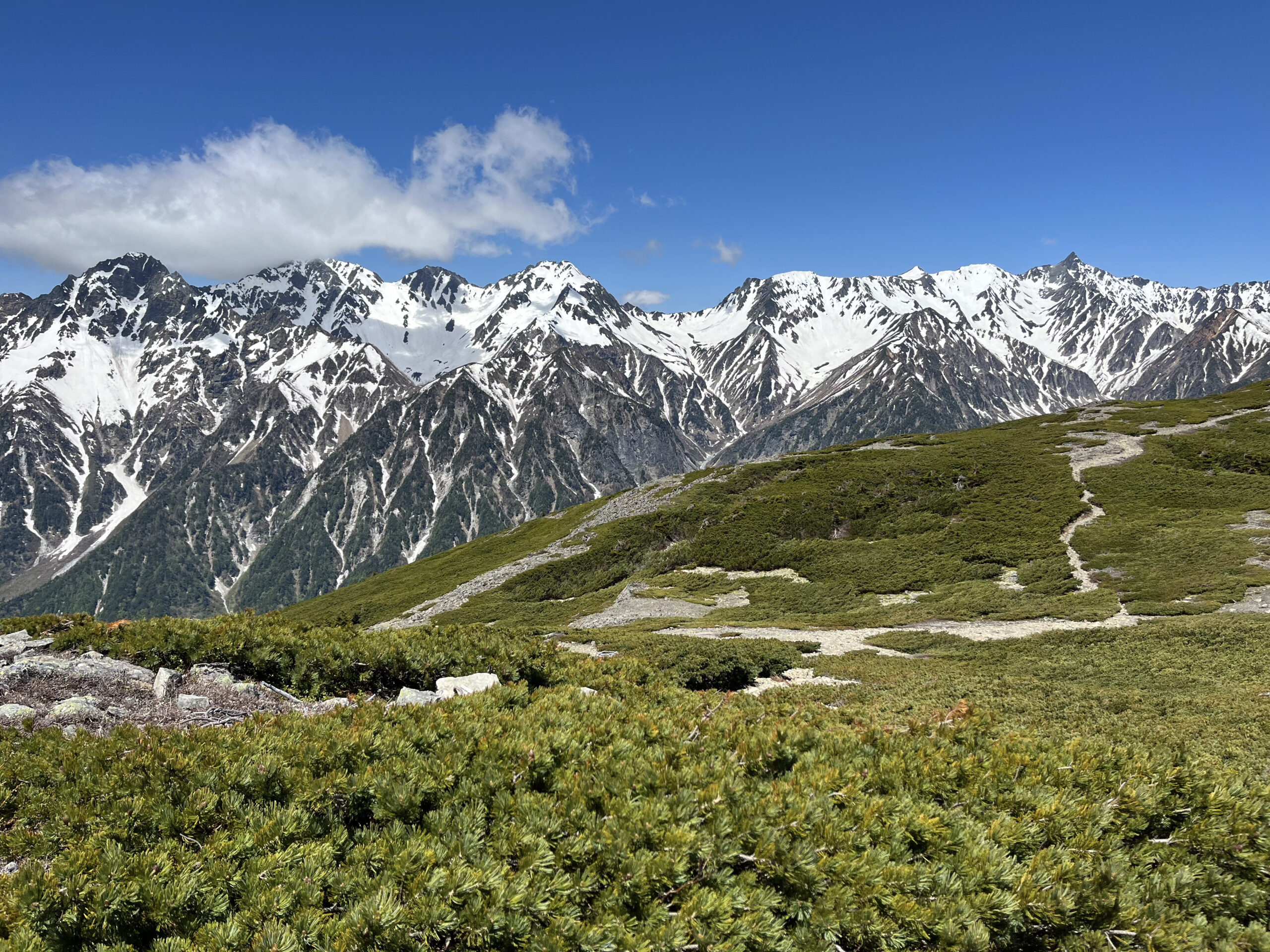
- Climbing Season: Generally end of June to early October
- Please be advised that from November to May, the mountains are in full winter condition. Traversing the Northern Alps during this period demands expert-level winter mountaineering knowledge and technical skills. Severe weather triggers violent blizzards, and most mountain huts are completely buried under deep snow and closed.
Northern Alps
Panorama Ginza: 4 Days 3 Nights to 5 Days 4 Nights
This is a breathtaking route where you can hike while gazing at the Yarigatake and Hotaka mountain range, widely considered the most spectacular view in the Northern Alps. Dropping down to Kamikochi from Mt. Chogatake allows you to spend your final day strolling through Kamikochi, a world-famous alpine resort, which we highly recommend.However, the route involves continuous ups and downs. The initial ascent from the trailhead, the climb up Mt. Jonen, the descent from Mt. Jonen, and the steep climb up to Choyari are physically demanding.Please note that if the weather turns bad, there are no ideal escape routes. Evacuating from Mt. Jonen down to Ichinosawa is not recommended due to the high risk of flooded rivers and rising water levels.
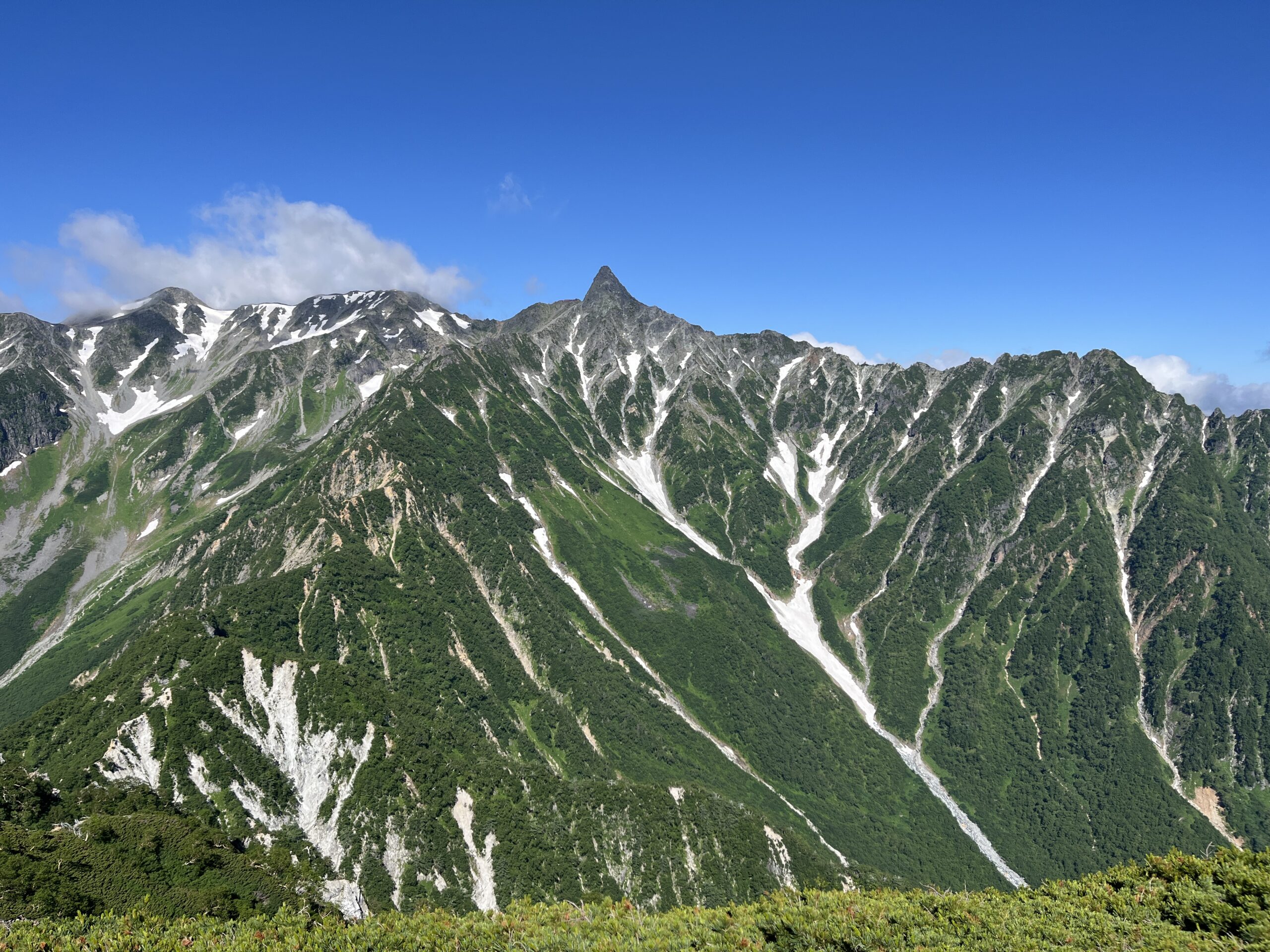
If you are hiking with children or are not confident in your physical stamina, we highly recommend a round-trip hike to a single summit for a safer experience. Mountains like Mt. Tsubakuro, Mt. Jonen, Mt. Otensho, and Mt. Chogatake each have their own trailheads, allowing for a manageable 1-to-3-night stay at a mountain hut. Or you can also chose 2mountains of those.
This is a dream ridge-walking route where climbers aim for the summit of Mt. Yarigatake. However, the route features many rocky sections requiring climbing skills, narrow ridge walking, and thrilling ladders and chains. Because each day involves long hours of trekking, you will enjoy the hike much more if you have sufficient physical fitness and undergo training for rocky terrain before you come. A helmet and a harness are mandatory for your safety.
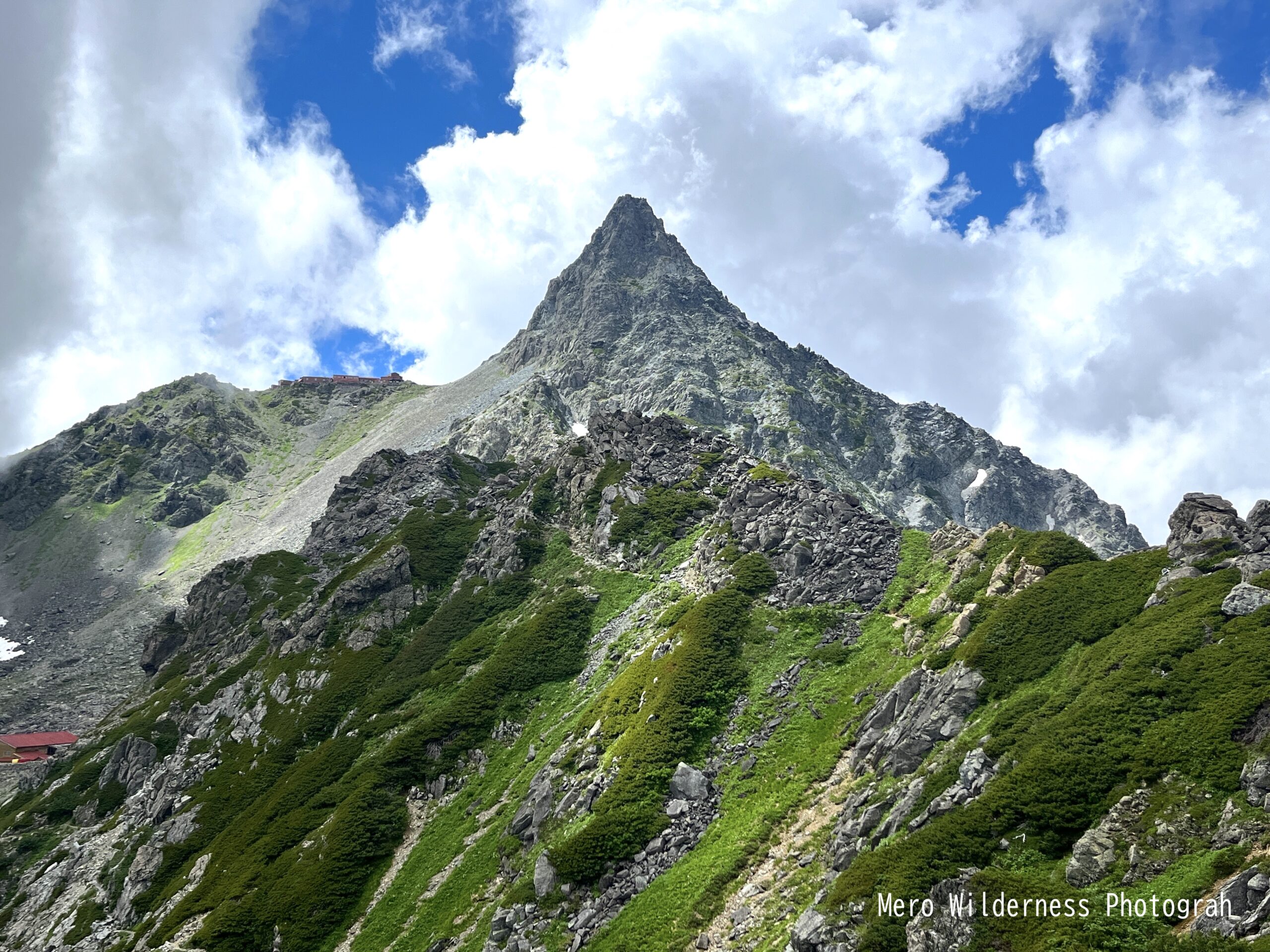
You can climb Mt. Yarigatake from Kamikochi without needing the advanced technical skills required for the Omote Ginza route. While reaching the mountain hut near the summit demands high physical endurance, climbing techniques are necessary only from the mountain hut to the top. Be sure to rent a helmet at the hut right before the peak before making your final summit attack.
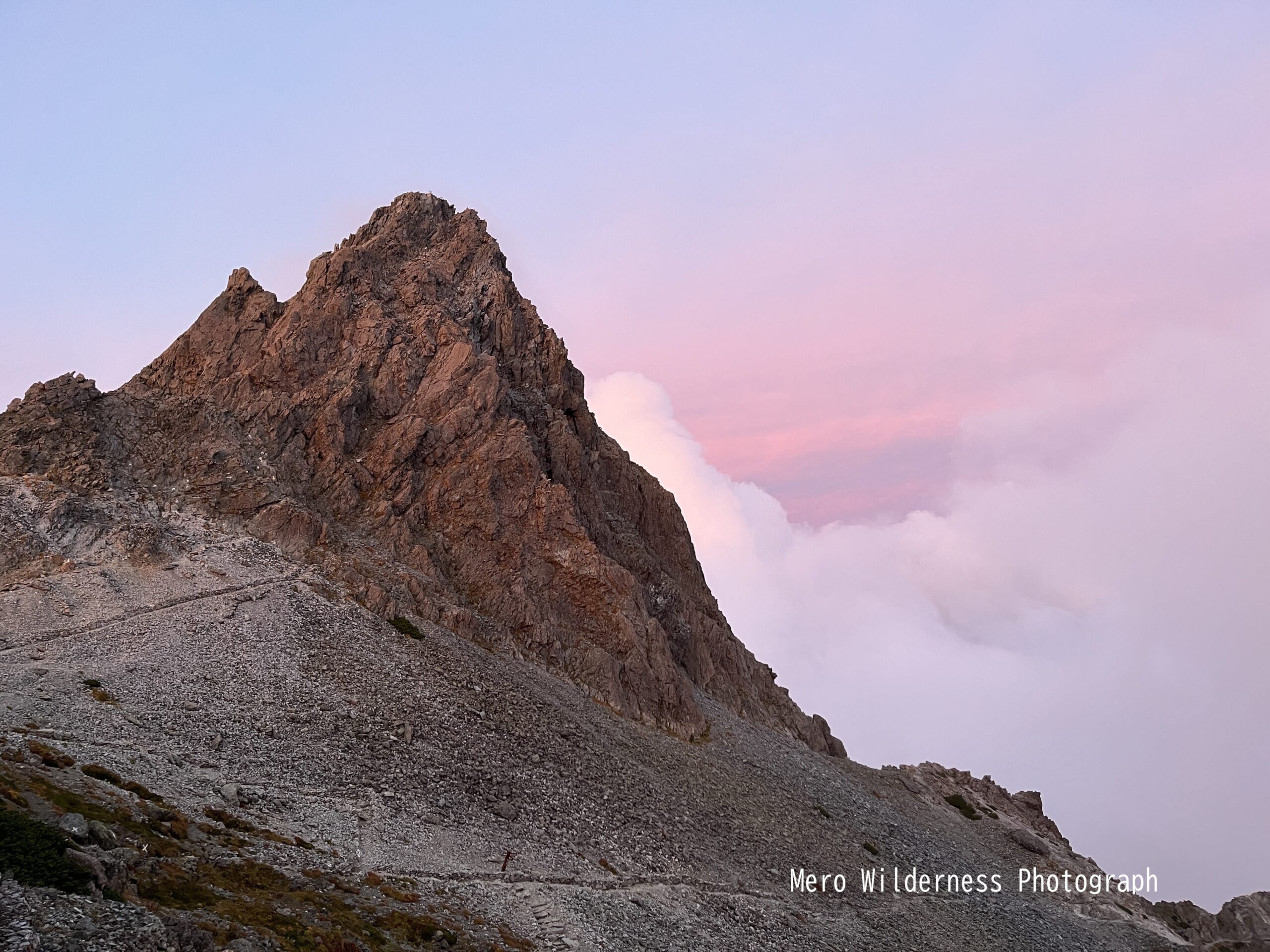
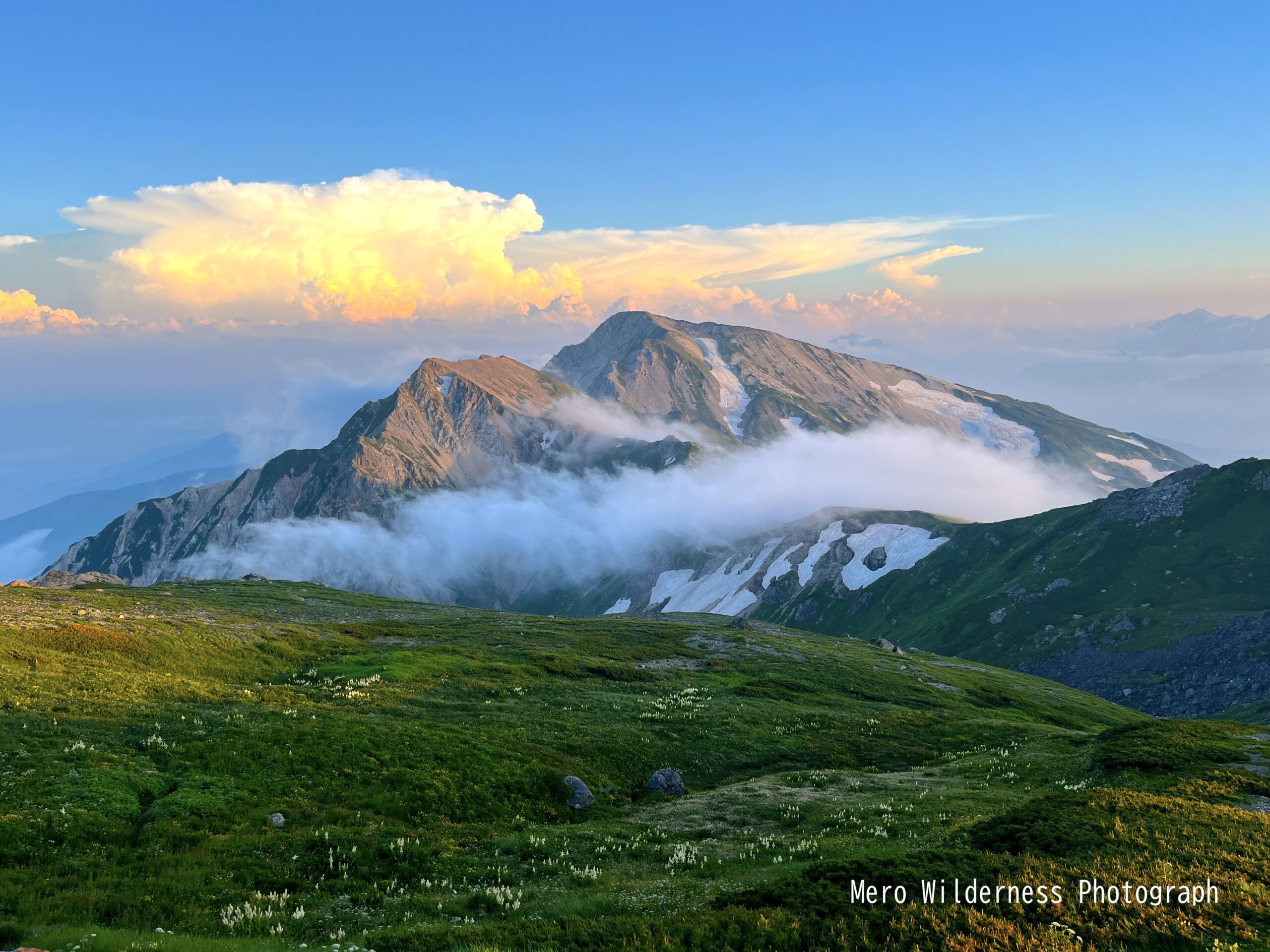
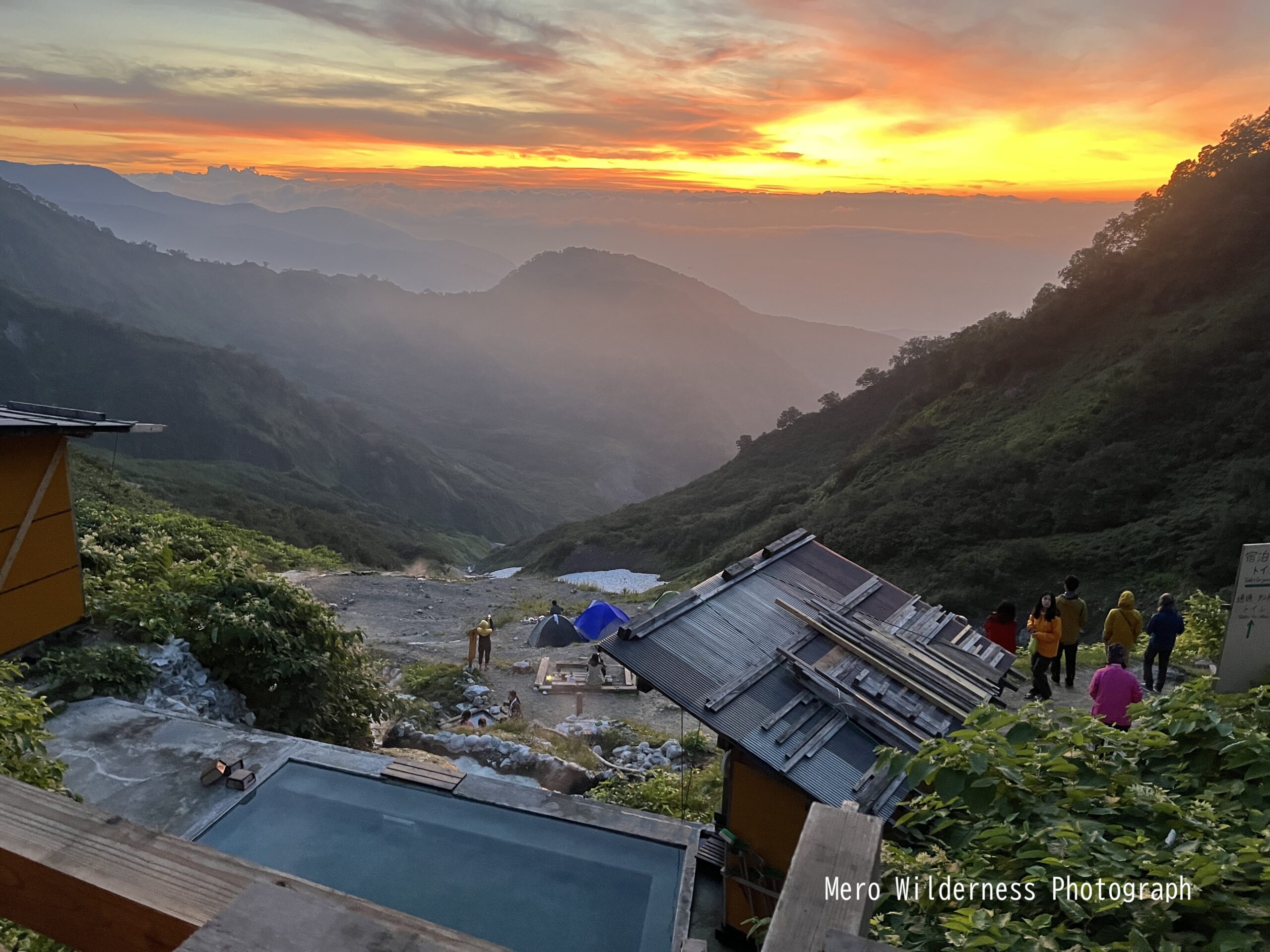
The Shirouma area is immensely popular for its spectacular mountain scenery. It is famous for beautiful alpine flora and features a unique mountain hot spring. Although ridge-to-ridge trekking demands physical fitness, staying at the mountain huts allows you to customize a route that fits your own pace and stamina.
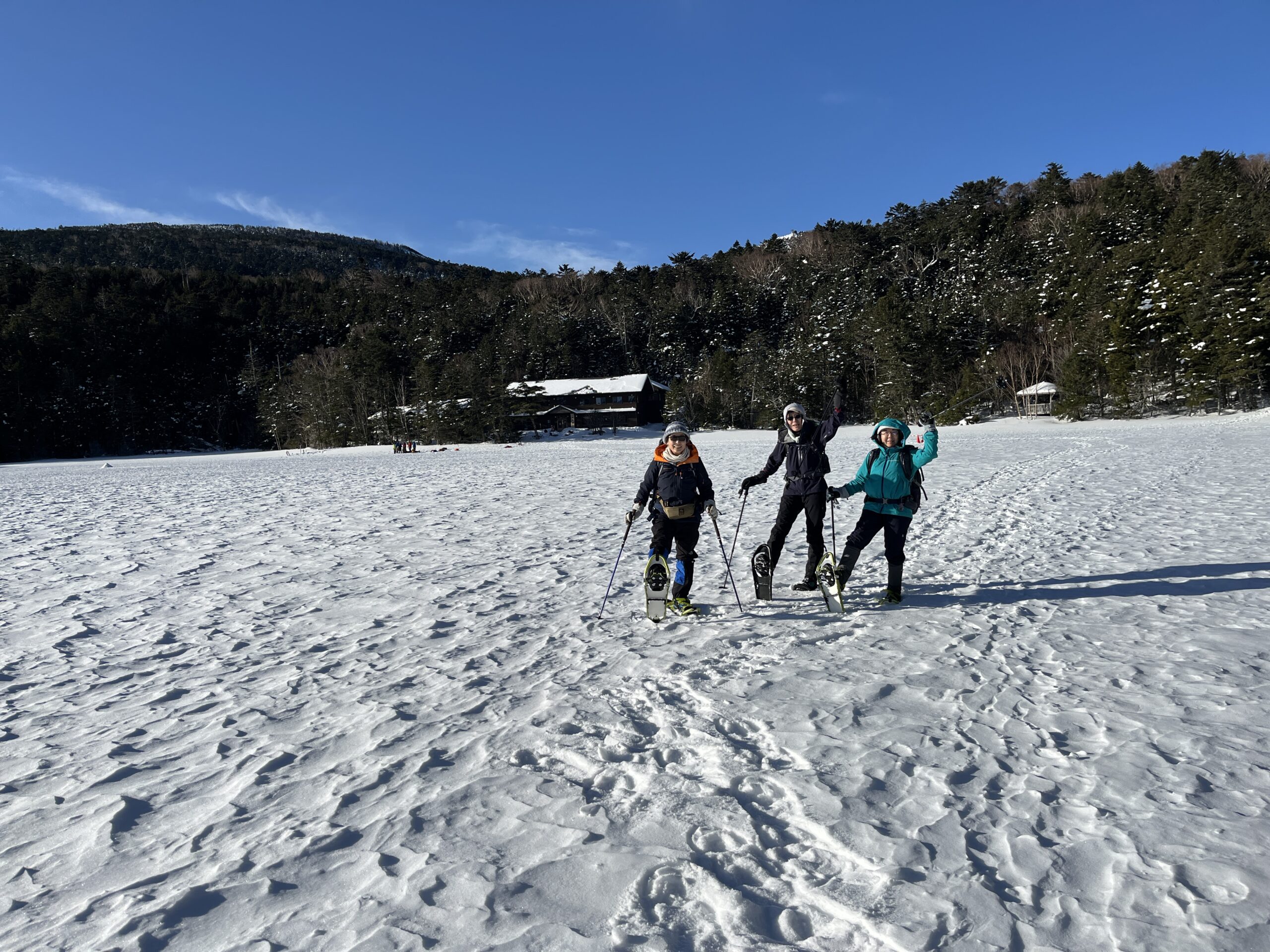
Chuo Alps / Southern Alps / Snow trecking / Customized guided tours
Customized guided tours are available based on your fitness level, age, and personal preferences. Please feel free to inquire for more details.
Mt. Fuji in winter is a deadly frozen peak.
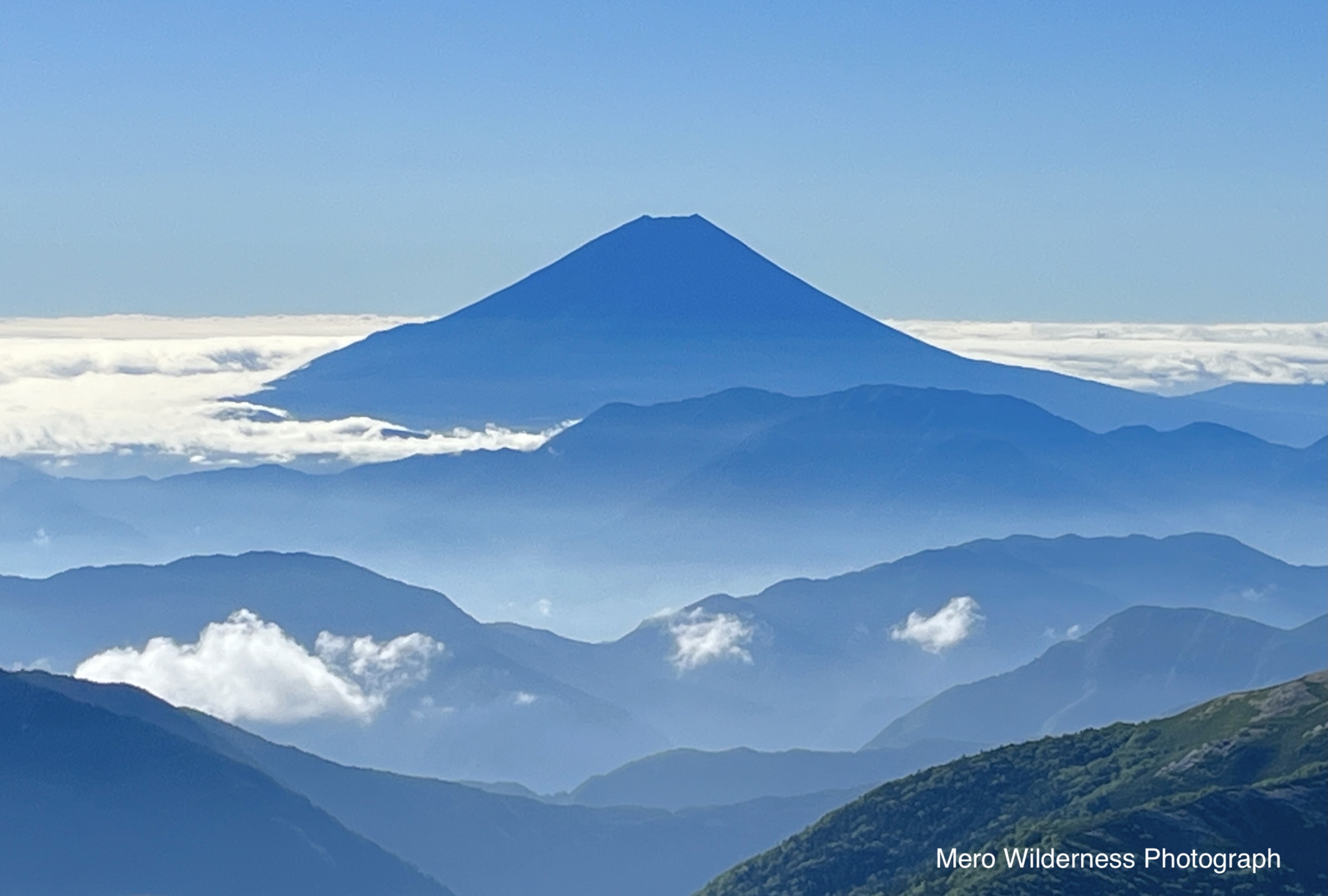 Mt. Fuji is the highest mountain in Japan, and the general climbing season runs from July to September. Especially from November to March, it is the dead of winter, traditionally entered only by skilled mountaineers training for Himalayan expeditions. Above the 8th station, it turns into severe ice where crampons and ice axes fail to hold. Recently, fatal and fall accidents among uninformed foreign and other climbers have become noticeable.
- Highest Peak: Mt. Fuji is Japan’s highest peak.
- Climbing Season: Generally July to September.
Guiding Fees & Expenses
-
- Approx. 60,000 JPY per day (Flat rate for a group of 1 to 3 guests)
- Please note: Rates may fluctuate depending on the technical difficulty of the route,
- For groups of 4 or more guests, please contact us for a custom quote.
-
- Mountain Hut Accommodation: Approx. 15,000-18,000 JPY per person / per night (Includes 3 meals: dinner, breakfast, and a packed lunch for the trail)
- Local Transportation: Taxi or bus fares between the station and the trailhead
- Food & Beverages: Extra trail snacks and drinking water
- Travel Costs: Your transportation to and from the designated meeting/disbanding location
Guests are required to cover the mountain hut accommodation fees (including meals) and local transportation costs for the guide during the tour.
If you are booking as a group, these guide expenses can be split among the members.
Information Required Upon Booking
-
- Full Name
- Age
- Mountaineering Experience: (e.g., peak names, technical difficulty, or general outdoor background)
- Dietary Restrictions: (e.g., Vegetarian, Vegan, Halal, etc.)
- Medical Conditions & Allergies: (Any pre-existing conditions, chronic illnesses, or severe allergies we should be aware of for your safety)
- Emergency Contact Information: (Name, relationship, and phone number of someone not traveling with you)
- Home Address
Contact Information About JAPAN ALPS
-
- E-mail: info@yamanzai.com
- YAMANZAI Mountain Guide and Works LLC ( Ikeda-machi, Kita-Azumi-gun, Nagano, 399-8601, Japan)
- Official Instagram: https://www.instagram.com/yamanzai.mountain/
- Official Website: YAMANZAI Mountain Guide and Works


